If you love coffee, you might want to make café-quality drinks at home. You may have come across terms like dual boiler machines, single boiler machines, and heat exchangers.
Among these, dual-boiler espresso machines often stand out as premium options for serious coffee enthusiasts.
But what exactly is a dual boiler espresso machine, and why is it so popular? Let’s look at the details, features, and benefits of these machines. We will also compare them to single boilers and other models.
What is a Dual Boiler Espresso Machine?
A dual boiler espresso machine is a coffee maker with two boilers. One boiler brews espresso at the right temperature. The other boiler is for steaming milk. This design allows you to pull a shot and steam simultaneously without waiting for the machine to switch modes.
Unlike single boiler machines, dual boiler machines save time. You can brew and steam at the same time. This makes them more consistent.
For buying options, explore our picks of the best espresso machines for home
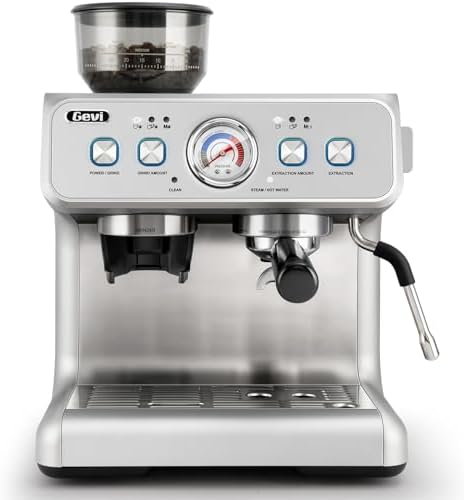
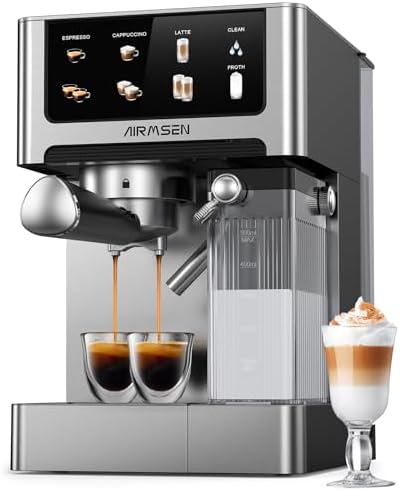

The brewing boiler keeps a steady temperature. This helps make balanced espresso shots. The steam boiler gives strong steam for smooth milk foam.
For home baristas and coffee lovers, a dual boiler espresso machine provides café-quality performance. It allows for precise temperature control and lets you brew and steam at the same time.
Table of Contents
Understanding Dual Boiler Espresso Machines
A dual boiler espresso machine has two separate boilers. One boiler is for brewing espresso, and the other is for steaming milk. These separate boilers work independently, ensuring that each function maintains the correct temperature control without interference. This design is what sets dual boiler machines apart from single boiler machines and heat exchanger systems.
A dual boiler espresso setup lets you make espresso and steam milk at the same time. This way, you keep the flavor and texture perfect.
Why Brewing Temperatures Matter
Brewing temperatures play a critical role in achieving great espresso. Coffee extraction is highly sensitive to even slight variations in temperature. With dual boiler machines, the brewing boiler maintains a stable and consistent temperature dedicated solely to espresso extraction. This precision ensures a balanced cup with full flavors and rich crema.
Single boiler machines often have problems. This is because the same boiler must switch between low brewing temperatures and high steaming temperatures. This creates delays and inconsistencies. Dual boiler espresso machines eliminate this challenge by separating the processes.
Pull a Shot and Steam Simultaneously
One of the main advantages of dual boiler espresso machines is their ability to brew and steam at the same time. As you pull a shot, the second boiler makes enough pressure. This creates smooth microfoam for cappuccinos, lattes, and other special drinks.
This simultaneous action saves time and offers a true coffe
| Feature | Dual Boiler Machines | Single Boiler Machines | Heat Exchanger Machines |
|---|---|---|---|
| Boilers | Two separate boilers (one for brewing, one for steaming) | One boiler for both brewing and steaming | One boiler with a heat exchange tube |
| Temperature Control | Excellent, precise with PID settings | Limited, requires switching between functions | Good but less stable than dual boiler |
| Brew and Steam | Yes, you can brew and steam simultaneously | No, must wait between brewing and steaming | Yes, but requires temperature surfing |
| Convenience | High – saves time and improves workflow | Moderate – delays between steps | Medium – faster than single boilers, but trickier |
| Best For | Serious home espresso lovers, daily milk-based drinks | Beginners, casual users, smaller budgets | Intermediate users who want speed without dual boiler price |
This comparison explains why home baristas prefer dual boiler espresso machines. They offer a great balance of control, speed, and consistency.
If you want something smaller, the Breville Bambino Plus is a good alternative to dual boiler machines.
The Role of Temperature Control
Advanced temperature control is one of the standout features of dual boiler espresso machines. Many models come with PID controllers, which allow users to adjust brewing temperatures to suit different coffee beans. Light roasts may require slightly higher temperatures, while dark roasts benefit from lower ones.
This level of customization is a big advantage over single boilers and basic heat exchangers. In those systems, adjustments are more limited. If you want to experiment with various beans and perfect your cup, dual boiler machines give you the tools you need.
Steamed Milk and Espresso Drinks at Home
For home espresso lovers who enjoy milk drinks, steaming milk while brewing espresso is a big improvement. With separate boilers, you can froth milk into a smooth, creamy texture while your shot extracts perfectly. The result is consistent lattes, cappuccinos, and flat whites that rival your favorite café.
Single boilers may produce acceptable espresso, but they make milk steaming inconvenient and time-consuming. If your daily routine involves multiple milk-based drinks, a dual boiler espresso machine is worth considering.
Advantages of Dual Boiler Espresso Machines
Considerations Before Buying
While dual boiler machines are impressive, they also come with considerations:
- Price: They are more expensive than single boilers and heat exchangers.
- Size: With two boilers inside, they take up more counter space.
- Energy use: Maintaining two boilers requires more power.
Many home espresso lovers still find the investment worth it. They enjoy the convenience, speed, and quality of the drinks they make.
Who Should Choose a Dual Boiler Espresso Machine?
A dual boiler espresso machine is ideal for:
If you only make espresso shots now and then, a single boiler or a simpler machine may be enough. But if your goal is to create café-quality drinks daily, dual boiler machines are a smart choice.
Conclusion
A dual boiler espresso machine offers the perfect blend of convenience, consistency, and control. With separate boilers for brewing and steaming, you can pull a shot and steam milk at the same time. This keeps the brewing temperatures just right. Dual boiler espresso machines offer better temperature control, speed, and quality than single boiler machines and heat exchangers.
If you care about making great espresso at home, a dual boiler espresso machine is a smart choice. It brings the coffee shop experience right to your kitchen. Whether you enjoy straight espresso or milk-based drinks, these machines make it easier than ever to brew and steam with confidence.
Frequently Asked Questions
What is the main advantage of a dual boiler espresso machine?
The biggest advantage is the ability to brew and steam simultaneously at precise temperatures. This saves time and improves consistency compared to single boiler machines.
Are dual boiler machines better than heat exchangers?
Yes, dual boilers offer superior temperature stability and control. Heat exchangers can brew and steam simultaneously but require techniques like temperature surfing, which are less beginner-friendly.
Do dual boiler espresso machines use more electricity?
Yes, since they maintain two boilers, they consume more energy than single boilers. However, the improved efficiency and quality often outweigh the higher energy use.
Is a dual boiler espresso machine good for beginners?
Beginners can use them, but they are often better for enthusiasts who want to invest in quality equipment. Single boilers are often better for those just starting out.
How long do dual boiler machines last?
With good care and maintenance, dual boiler espresso machines can last 10 years or longer. This is due to their high-quality build and parts.
Do I need a dual boiler if I only drink espresso without milk?
If you only drink straight espresso, a dual boiler may be more than you need. A single boiler machine can work well for simple espresso shots.
Can I adjust the brewing temperatures on a dual boiler machine?
Yes, many models have PID controllers. This lets you adjust brewing temperatures for different coffee beans and roast levels.
Also Read: 10 Best Dual Boiler Espresso Machines of the Year