For true coffee lovers, brewing the perfect cup of coffee at home is a daily ritual. The challenge comes when choosing the right coffee maker. Among the most popular options, moka espresso and espresso machines often compete for attention. While both brew rich, concentrated coffee, they differ in brewing methods, taste profiles, and versatility.
In this guide, we will look at the differences between Moka espresso and espresso machines. We will compare their performance and help you choose the best one for your coffee needs.
Moka vs Espresso Machine: Which One Makes the Better Brew?
What is Moka Espresso?
The moka pot, made famous by brands like Bialetti Moka, uses steam pressure to make strong and rich moka espresso. People often refer to it as a stovetop espresso maker. However, it does not make authentic espresso. This is because it does not have the high pressure of an espresso machine.
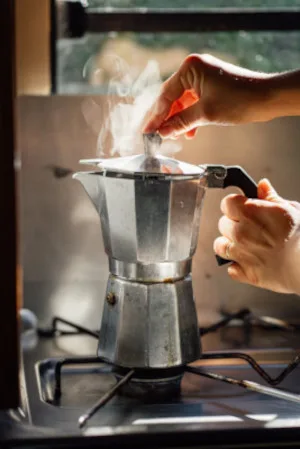
A moka pot has three chambers:
- Bottom chamber – Filled with hot water to reduce brewing time.
- Middle chamber – Holds the fine ground coffee for extraction.
- Top chamber – Collects the brewed coffee after steam pressure pushes water upward.
When you heat the water, steam builds up in the bottom chamber and forces hot water through the middle chamber into the top. The result is a strong, espresso-style coffee with an intense aroma.
Why People Love Moka Espresso
- Affordable and beginner-friendly
- Compact, portable, and travel-friendly
- Doesn’t require electricity
- Produces bold, concentrated brewed coffee
- Easy to clean and maintain
However, moka espresso has its limitations. With just 1-2 bars of steam pressure, it doesn’t make the same crema or smooth texture as real espresso.
How Espresso Machines Work
Espresso machines make real espresso by using high pressure. This pressure typically ranges from 9 to 10 bars. It forces hot water through finely ground coffee. This process extracts a richer flavor profile and creates the iconic crema on top.
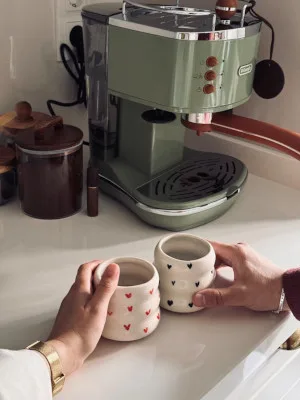
Key Features of Espresso Machines
Espresso machines come in manual, semi-automatic, and fully automatic models. Manual machines let you have complete control.
Automatic machines do everything for you. They grind beans, brew coffee, and froth milk. This makes them easy to use for beginners.
Moka vs Espresso Machine: Detailed Comparison
| Feature | Moka Espresso | Espresso Machine |
|---|---|---|
| Brewing Pressure | Around 1-2 bars | Around 9 bars high pressure |
| Brewing Time | 5-8 minutes | 25-30 seconds per shot |
| Taste | Bold, earthy, slightly bitter | Smooth, rich, and balanced |
| Crema on Top | Light and thin | Thick and authentic |
| Ease of Use | Simple, perfect for beginners | Requires some learning curve |
| Maintenance | Easy to clean and care for | Needs regular deep cleaning |
| Portability | Lightweight and compact | Bulkier and less portable |
| Price | Budget-friendly | Higher cost but premium build |
| Versatility | Ideal for moka espresso only | Great for espresso, lattes, cappuccinos, and more |
Taste and Aroma Compared to Espresso
Moka espresso offers a strong, concentrated flavor with nutty and earthy undertones. It delivers a more intense, brewed coffee, but lacks the silky body and crema on top that you’d find in an authentic espresso.
Espresso machines, on the other hand, use high pressure to extract oils and flavors that moka pots can’t match. The result is a smoother, richer drink with balanced acidity and the signature golden crema. If you enjoy milk-based beverages like cappuccinos, flat whites, or lattes, an espresso machine provides the perfect base.
Cost Differences Between Coffee Makers
Price is one of the most significant deciding factors when choosing between Moka pots and espresso machines.
Moka pots are affordable, but espresso machines are worth the higher price. They make real espresso and café-style drinks.
Convenience and Control
One of the most significant differences between moka espresso and espresso machines lies in control and convenience.
- With a moka pot, you fully engage in the brewing process. You measure the coffee grounds, heat the water, and control the brewing time. Perfect for coffee lovers who enjoy a hands-on ritual.
- Espresso machines, especially fully automatic models, handle most of the work. With programmable settings and integrated grinders, they make brewing true espresso effortless and consistent.
Tips for Brewing Better Coffee
No matter which coffee maker you choose, these tips will improve your results:
- Use freshly roasted coffee beans for maximum flavor.
- Grind beans just before brewing for optimal extraction.
- Use filtered hot water to enhance taste and protect your coffee maker.
- For moka pots, preheat the water in the bottom chamber to avoid bitterness.
- For espresso machines, clean the steam wand, portafilter, and drip tray regularly.
- Experiment with grind size to find the perfect balance between strength and smoothness.
These minor adjustments can significantly enhance the quality of your brewed coffee.
Which Coffee Maker Should You Choose?
Choose a moka pot if you:
- Want a budget-friendly, portable option
- Prefer moka espresso with a bold, intense flavor
- Travel frequently and need a compact coffee maker
- Enjoy manual brewing rituals
Choose an espresso machine if you:
- Want authentic espresso with rich crema on top
- Enjoy experimenting with milk-based coffee recipes
- Value stainless steel durability and premium features
- Don’t mind investing in a high-quality coffee maker
Conclusion
When choosing between a Moka pot and an espresso machine, consider your taste, budget, and brewing style. For a simple and affordable coffee maker that makes strong moka espresso, try a Bialetti Moka pot. For authentic espresso with thick crema and café-style options, an espresso machine is a better choice.
Both brewing methods make your daily cup of coffee a special treat. Each sip becomes more enjoyable.